Condition
How Gout Affects Your Feet
Whilst Gout is not specifically a condition of the feet, it often affects toes and can cause associated foot problems which need additional treatment from a Podiatrist. Simply put, Gout is a form of inflammatory arthritis caused by too much uric acid in the bloodstream. This doesn’t always lead to an attack, but if uric acid crystals form in or around a joint the pain can be excruciating. Gout is often regarded as a problem caused by ‘rich living’ but this is not always the case – poor diet, lack of exercise and dehydration can also play a role.
Causes of Gout
Too much uric acid in the bloodstream is the most common cause of gout. This can be the result of one or more different factors.
- Genetic traits: Some people may inherit a tendency to high levels of uric acid. There is little that can be done about this
- Too much red meat or seafood in the diet
- Some alcoholic drinks
- Highly sweetened drinks
- Trigger foods, or foods that are high in Purines such as Asparagus, Yeast Extract or Strawberries – these usually come into play if you have an inherited tendency to gout, though not always
- Some medications
Symptoms of Gout
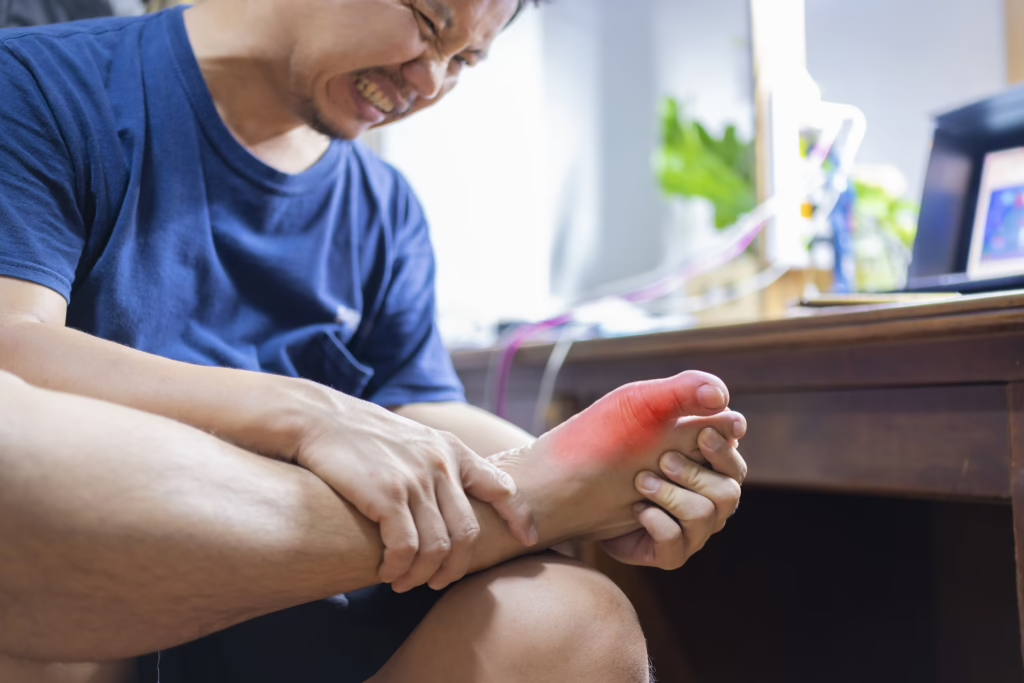
Gout attacks often appear to come out of nowhere, and can come on overnight. Typically there will be redness and swelling around a joint, accompanied by acute pain. The most commonly affected joints are toes, ankles, wrists and fingers. Less typically knees and elbows can be affected.
Generally speaking attacks are acute and pass with time, change of diet or medication. However the condition can be chronic for some people and is occasionally misdiagnosed as osteo or rheumatoid arthritis.
If swelling persists in the toes and ankles this can cause additional problems such as ingrown toenails, poor posture and gait leading to more permanent damage in the feet.
Joints can become infected so if you have a temperature or feel unwell, you should contact your Doctor.
Treatment of Gout
Some basic first aid measures can help reduce the pain of a gout attack, elevating the affected joint, careful application of ice packs and non-steroidal anti-inflammatories. Your Doctor’s advice should always be sought before taking any medications.
If attacks are persistent your Doctor may take blood tests and prescribe medication to help control the levels of uric acid as continuing high levels can damage kidneys, lead to high blood pressure with the associated risks of stroke and heart problems.
Class 4 laser therapy can also help with pain relief.
Prevention of Gout
- If Gout attacks are caused by trigger foods, then simply avoiding those will reduce the likelihood of an attack.
- Reduce alcohol intake
- Drink more sugar free fluids, especially water
- Reduce your fat intake
- Monitor the amount of red meat and seafood, particularly shellfish, that you eat
- Regular exercise
Frequent attacks or chronic Gout can cause long term damage to your feet as well as the short term risk of infection, ingrown toenails due to swelling and damage to the skin. You may need treatment for these and more. If your gait has been compromised due to long term damage to your feet, orthotics may help to prevent long term damage to other joints and your spine. Feet which have been subjected to a Gout attack always need care and attention to prevent permanent damage and should be treated with care.