Condition
What are Diabetic Foot Conditions?
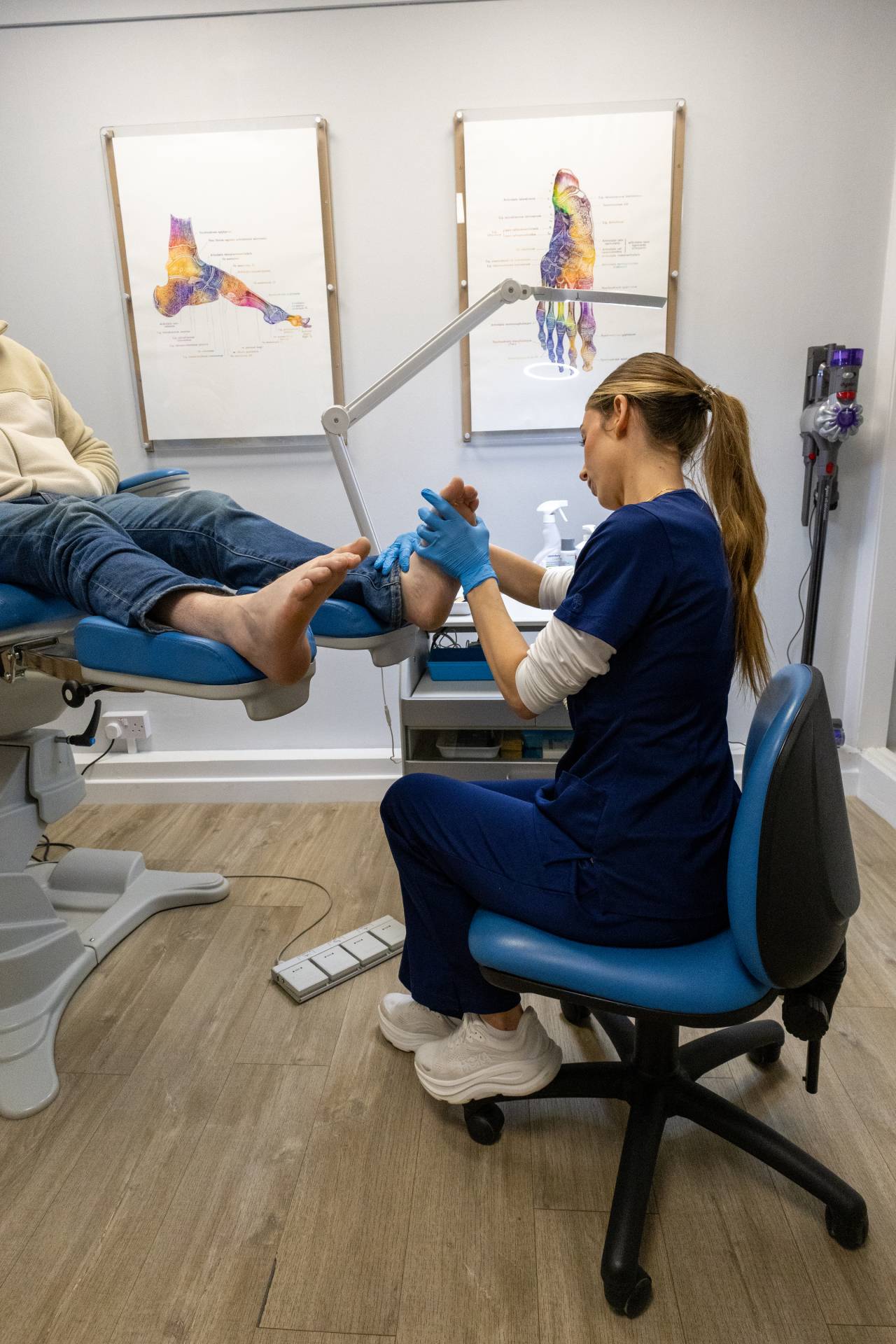
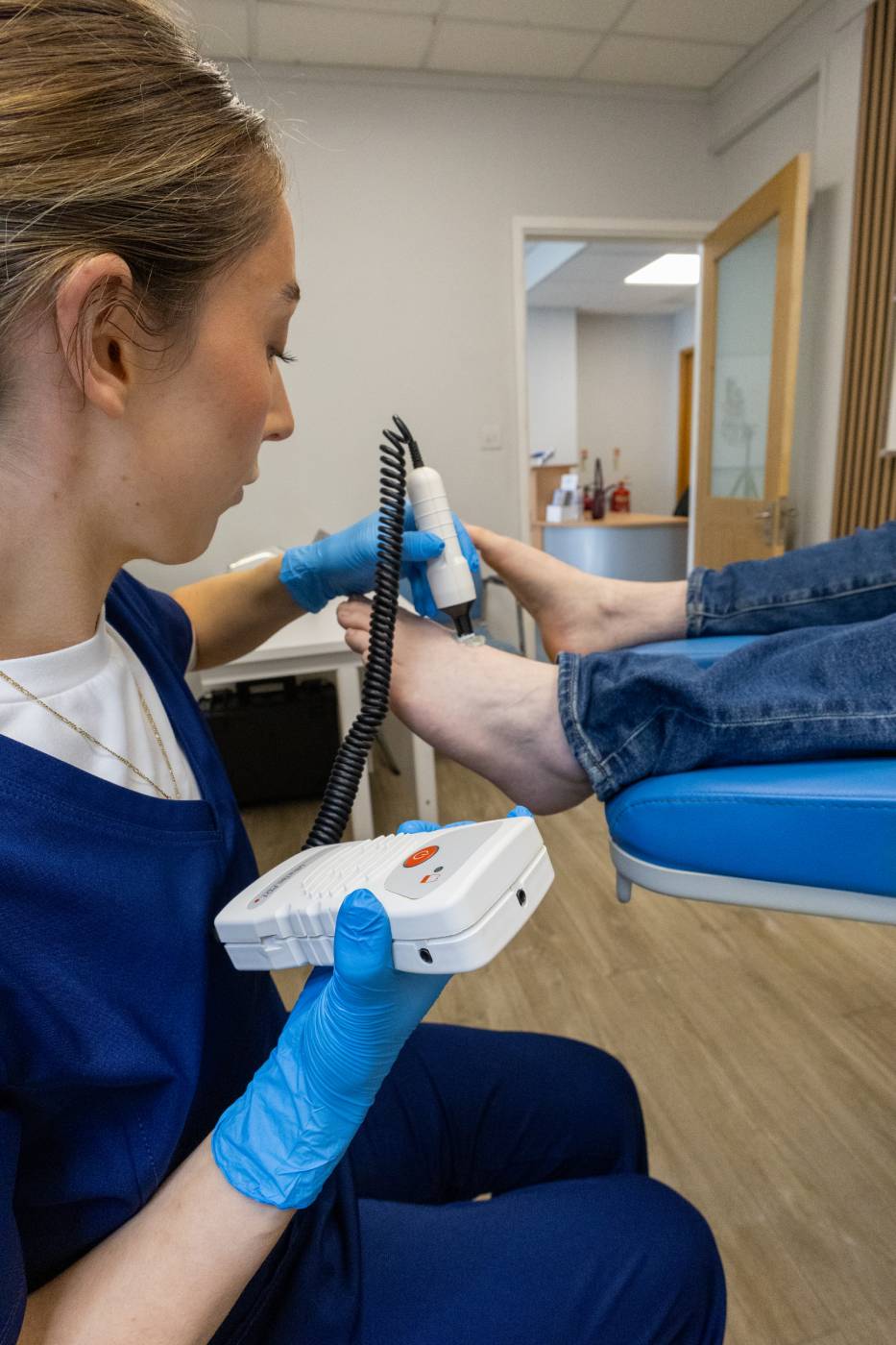
Diabetic foot conditions are complications that affect the feet of people living with Diabetes Mellitus. Over time, diabetes can damage nerves and blood vessels, increasing the risk of injury, infection, and delayed healing. Without proper care, minor issues can develop into serious complications.
Condition
Why Do Diabetic Foot Problems Occur?
There are three main underlying causes:
-
Peripheral Neuropathy
Reduced sensation in the feet means cuts, blisters, or pressure areas may go unnoticed. -
Peripheral Arterial Disease
Poor blood flow slows healing and increases the risk of tissue damage. -
Biomechanical pressure & deformity
Changes in foot structure can create high-pressure areas, leading to skin breakdown.
Condition
Common Diabetic Foot Conditions
-
Diabetic Foot Ulcer
Open sores caused by pressure, trauma, or poor circulation. -
Callus and corns
Thickened skin that can lead to ulceration if untreated. -
Infections
Even small wounds can become serious quickly. -
Charcot Foot
A serious condition causing weakening of bones and foot deformity.
Signs to Watch For
- Numbness or tingling
- Changes in skin colour or temperature
- Swelling in the foot or ankle
- Cuts, blisters, or wounds that are slow to heal
- Thickened skin or areas of high pressure
Condition
How We Help
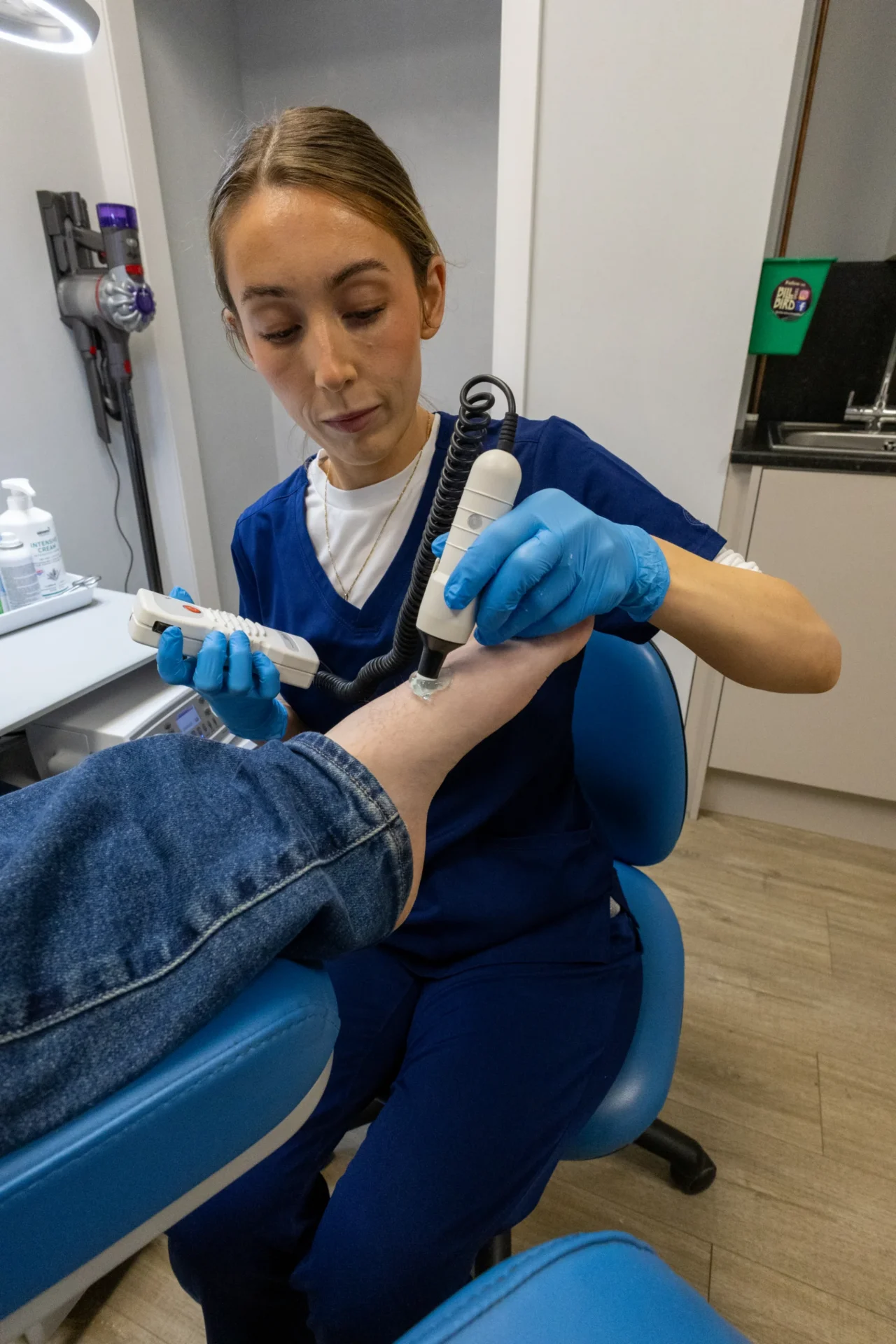
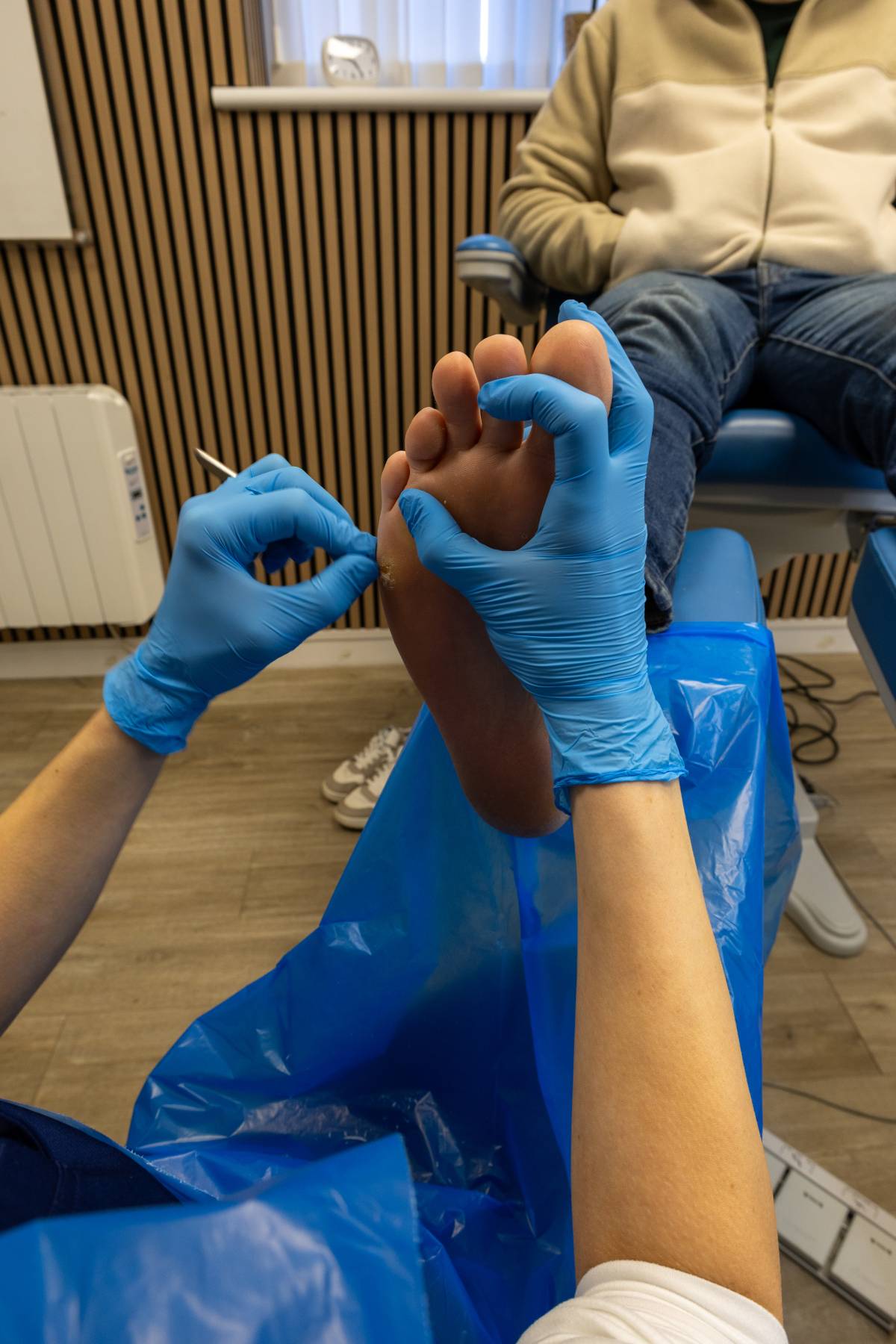
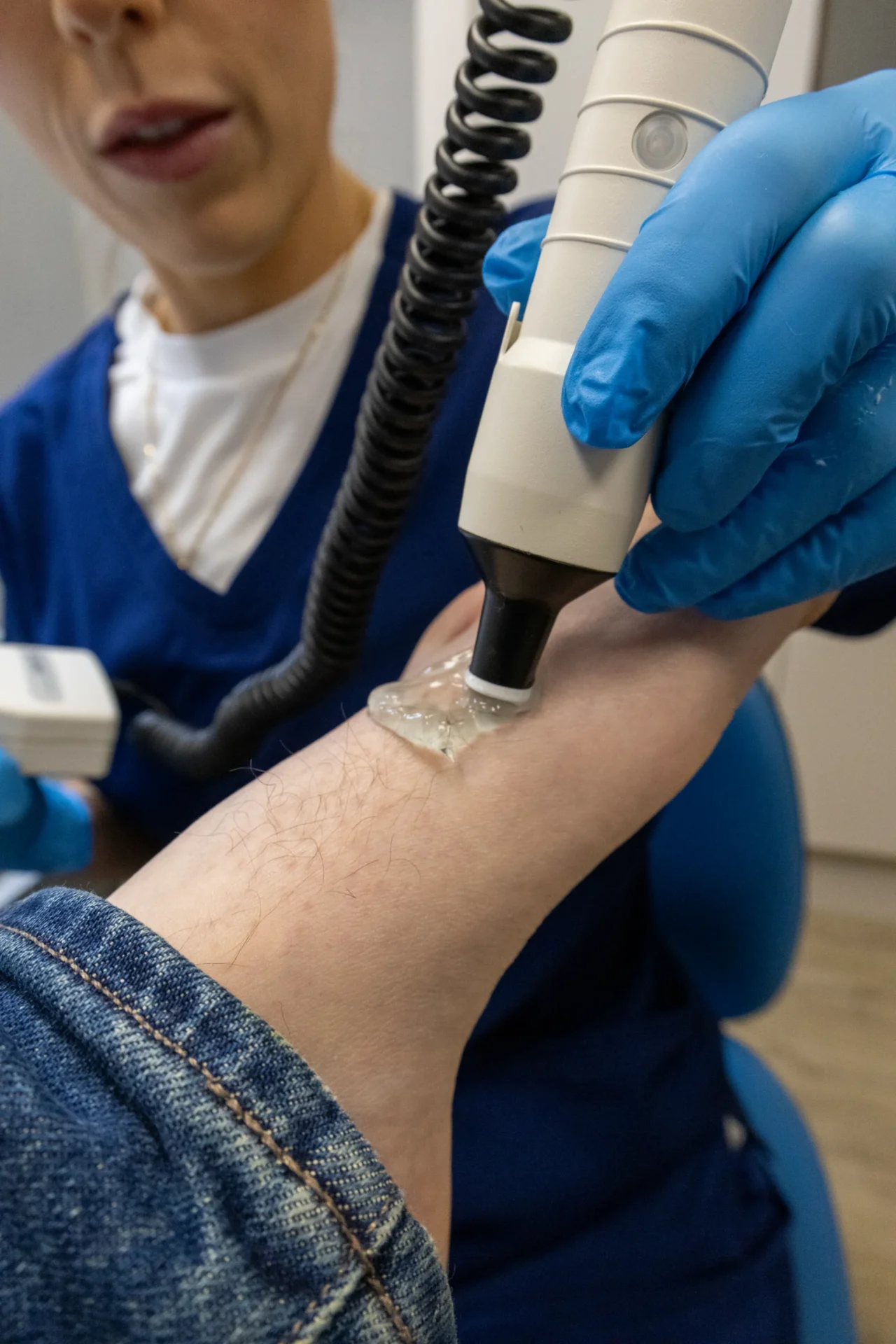
1. Routine Foot Assessments
2. Pressure Offloading & Orthotics
Custom orthotic devices help redistribute pressure and reduce the risk of ulcers.
3. Wound Care Management
Advanced treatment for ulcers and wounds to support safe, effective healing.
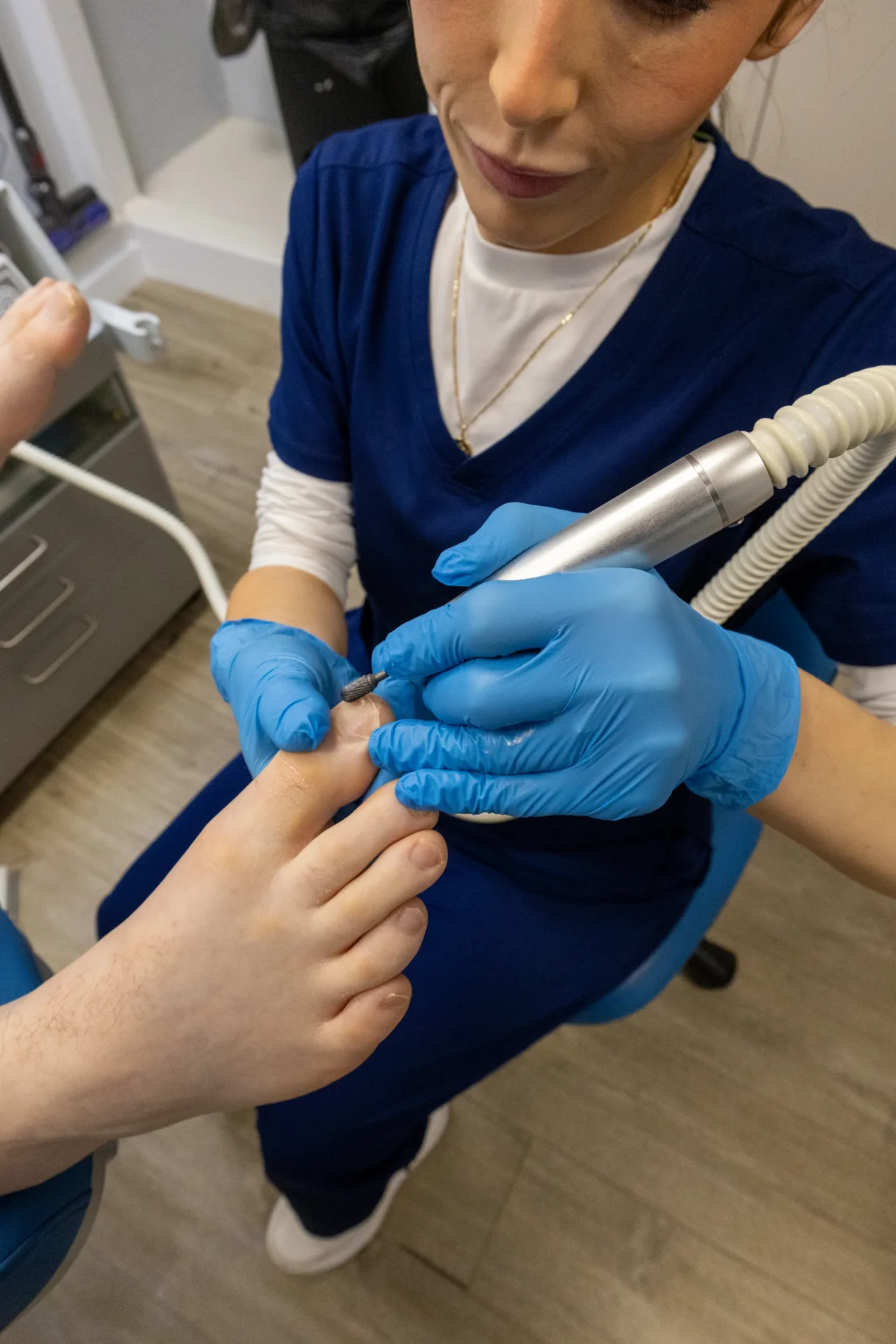
4. Nail and Skin Care
Professional care reduces the risk of infection and complications.
5. Preventative Education
We guide you on daily foot care and footwear choices to protect your feet long-term.
Condition
Why Regular Podiatry Care Matters
Regular podiatry visits significantly reduce the risk of serious complications, including amputation. Preventative care is always more effective—and less invasive—than treating advanced conditions.
Simple Daily Foot Care Tips
- Check your feet daily for cuts, redness, or swelling
- Wash and dry your feet carefully, especially between the toes
- Moisturise dry skin (avoid between toes)
- Wear well-fitting shoes and clean socks
- Never walk barefoot
- Seek professional help early if something doesn’t look right